
28 November 2026 · Grounded
Planting without digging: a short lesson in no-till beds
Ask a gardener how to prepare a bed and the classic answer is: dig it. Turn the soil, break the clumps, mix in the compost. No-till growing starts from the opposite idea. The soil is already structured by the life inside it, and the less we disturb it, the better it works.
Why not dig
Every digging pass breaks the fungal networks that ferry nutrients to roots, brings buried weed seeds to the surface where they germinate, and exposes organic matter to the air, where it burns off instead of feeding the soil. Feeding from the top instead, with manure, compost and mulch laid on the surface, lets worms and microbes do the mixing. A forest floor is never tilled, and it never stops being fertile.
What we are doing
On the new field we skipped the plough entirely. Lines of manure went straight onto the untouched soil and were covered with straw, making soft, fertile rows to plant into. Physalis was the first crop to go in, with strawberries and the seed sowing (carrot, turnip and pumpkin) following right behind.
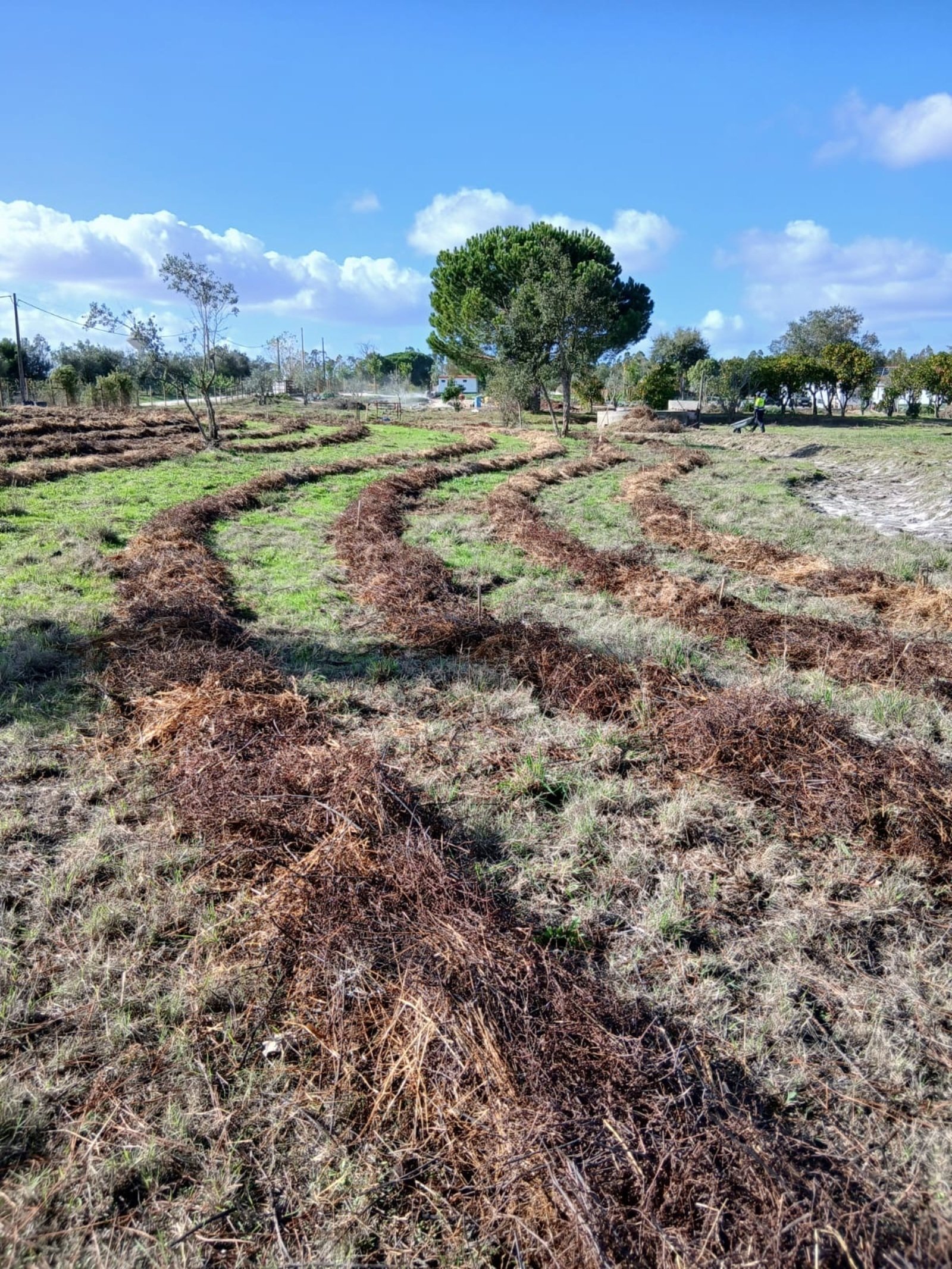
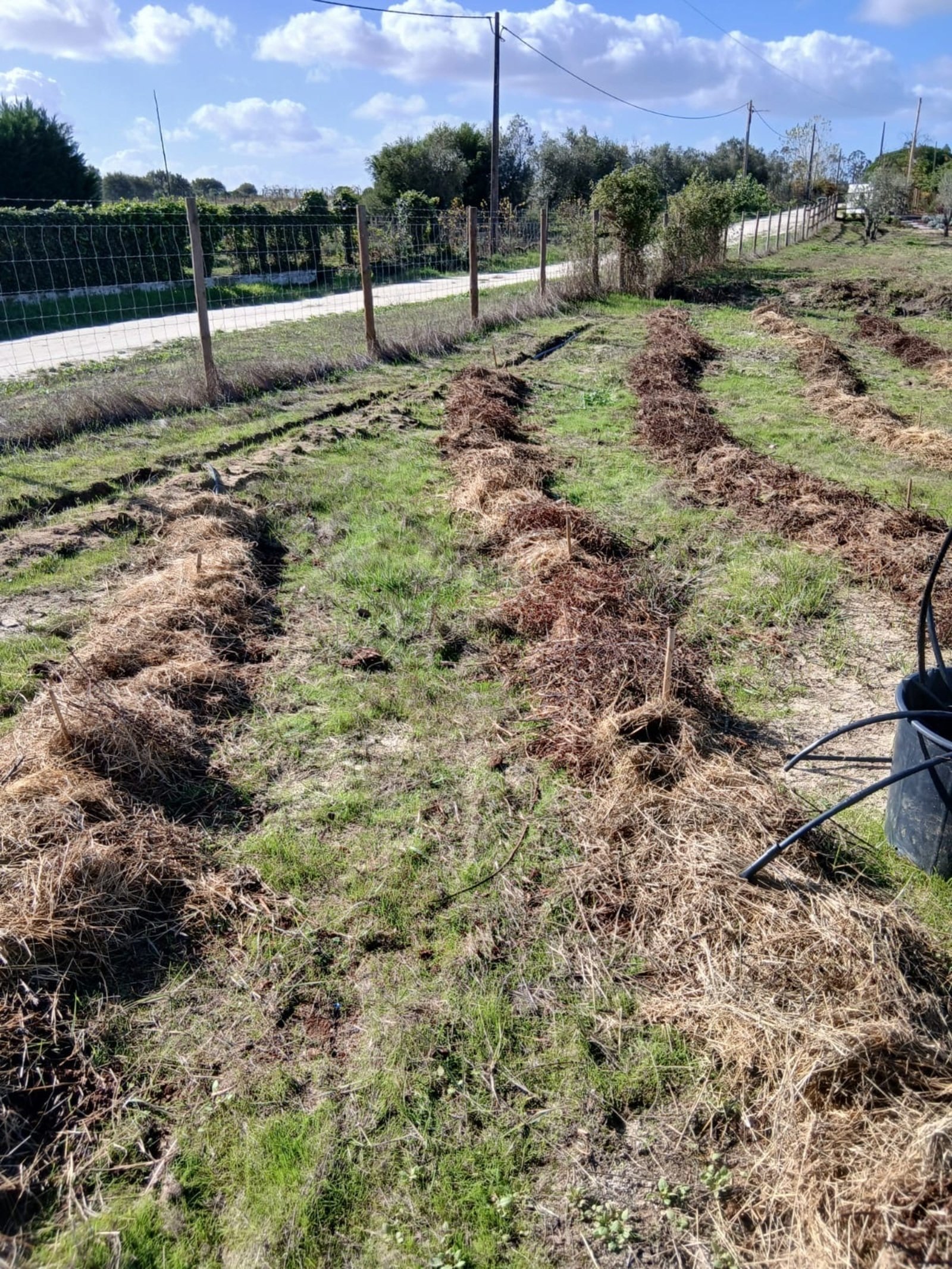
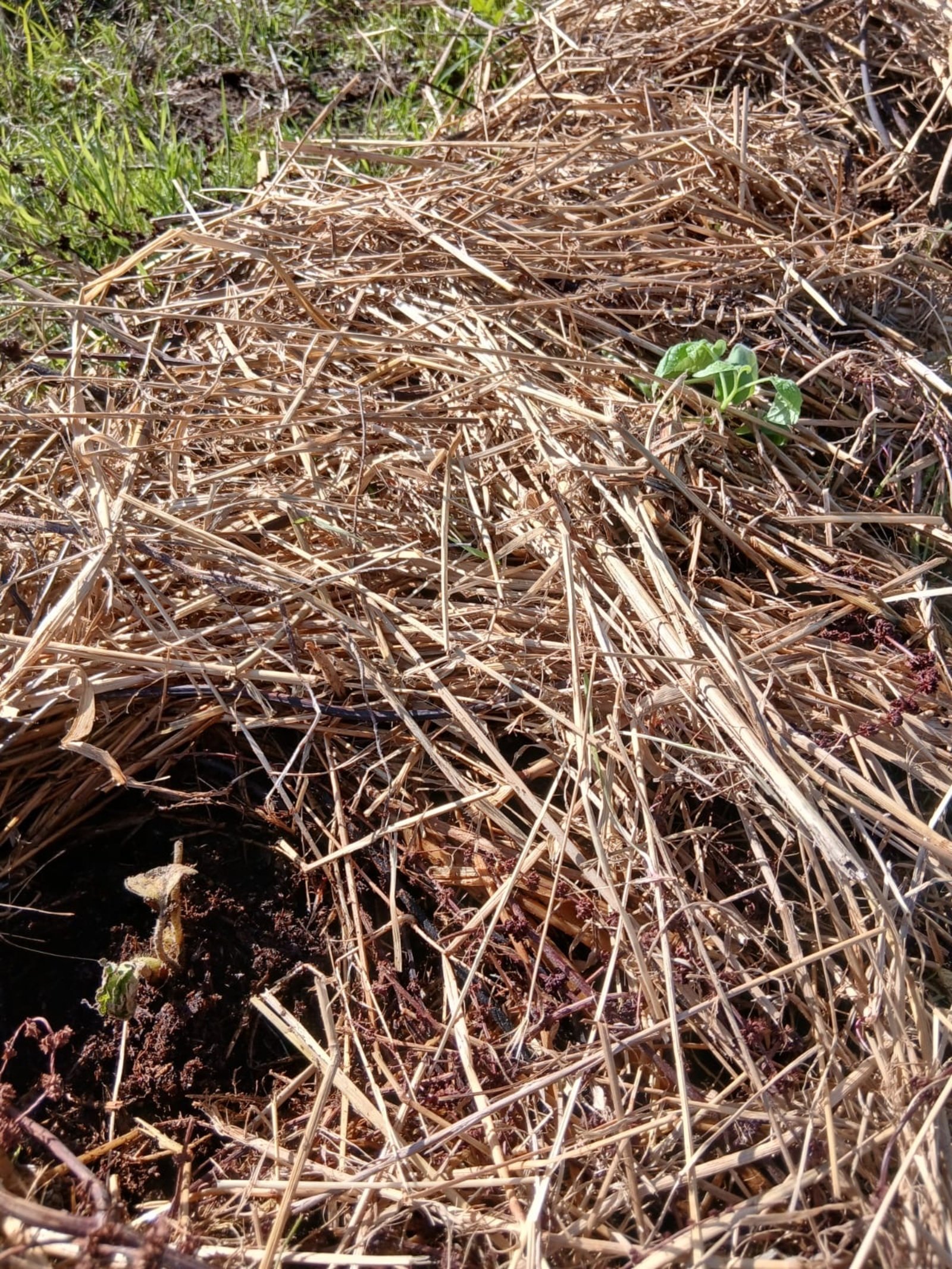
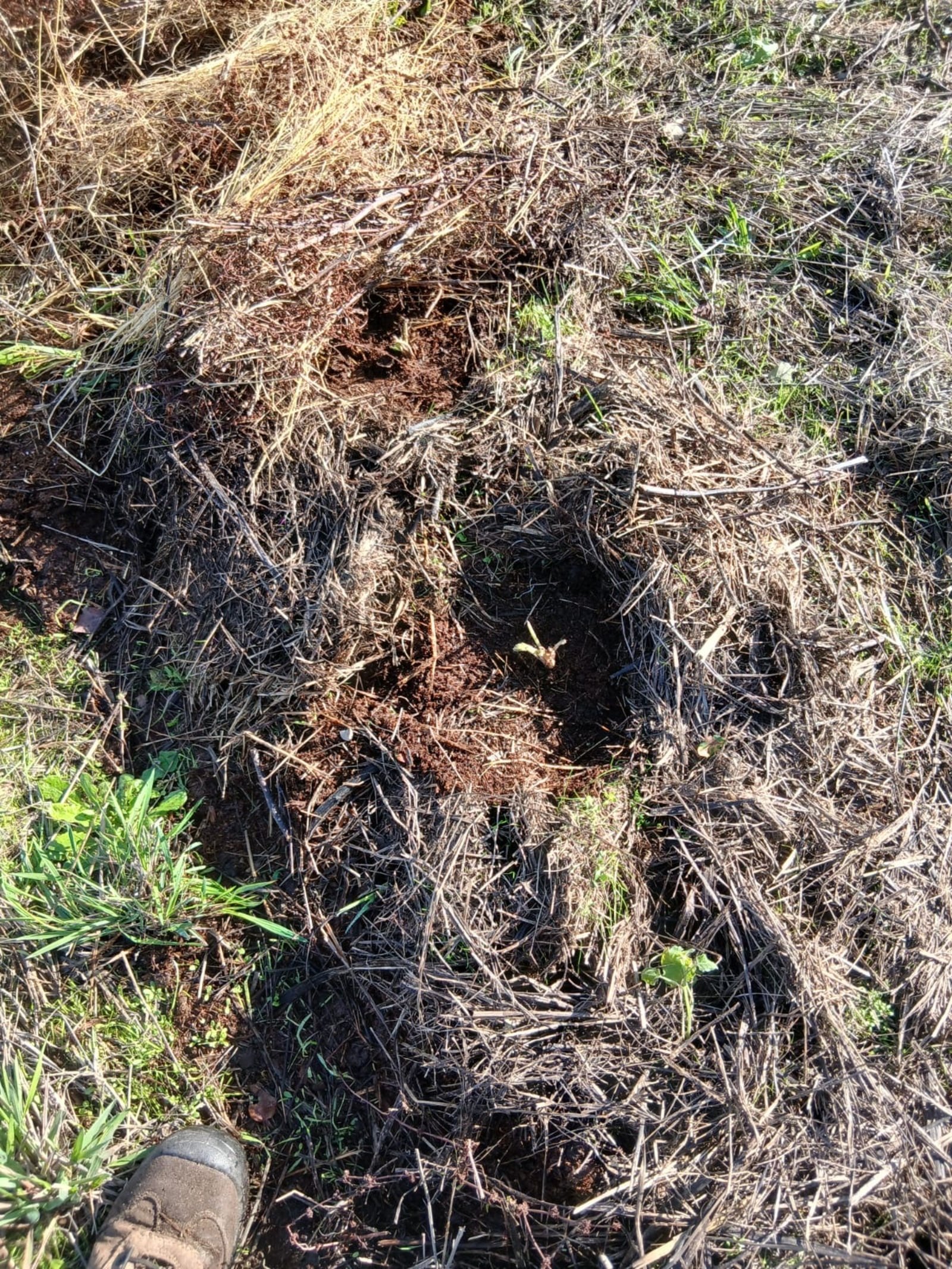
The first three months are a trial. These five crops are our test of how this soil and this method behave together before the trees arrive. Fruit trees planted into the same system come later, turning these beds into the first layer of an agroforestry field.
Builder’s takeaway
-
Fertility goes on top, not into the mix: lay manure or compost on the surface and let soil life carry it down.
-
Keep the soil covered. Straw mulch holds moisture, feeds worms and keeps weed seeds in the dark.
-
Start with one trial bed and watch it for a season before converting a whole field.
-
For edible beds, use properly composted manure or compost. Before using raw manure on food crops, check local food-safety guidance.
Try it at home
Take two pots with the same soil. In the first, mix a layer of compost in with a fork. In the second, lay the same compost on top and cover it with straw. Water both the same way and watch them for a few weeks: which one stays moist longer, and which one sprouts more weeds?
Sources
-
Charles Dowding: No dig, no till
-
Gardens Illustrated: What is no-dig gardening?