
A garden for butterflies: biodiversity in small spaces
Most of us picture a garden as plants. A garden is also a place where animals eat, shelter and raise young. Butterflies are a good way to see that, because they need more than flowers.
In late October we shared a post about butterflies and biodiversity at Grounded. This article is the lesson behind that post: what butterflies and other pollinators need, and how to offer some of it even if all you have is a balcony.
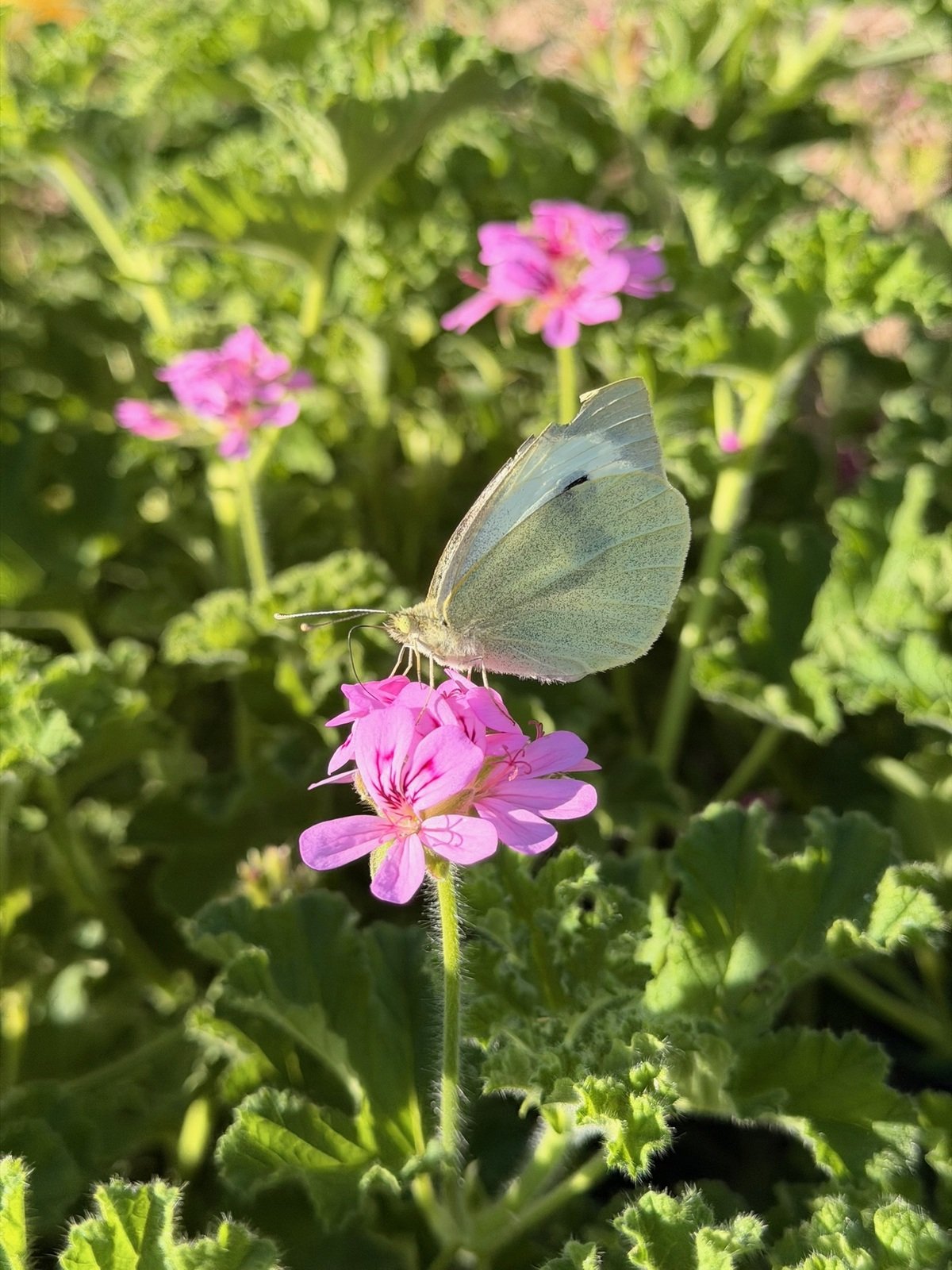
What pollinators need
The University of Maryland Extension puts it simply: pollinators need what every animal needs, which is food, shelter, water and a place to raise a family.
- Flowers across the seasons. Extension services recommend plants that bloom from early spring into late autumn, so nectar and pollen are available for as long as possible. Planting in clumps helps pollinators find them.
- Host plants for caterpillars. A butterfly only lives as a butterfly for part of its life. Caterpillars eat leaves, often of specific plants. Maryland Extension gives the example of black swallowtail caterpillars feeding on plants in the carrot family, such as carrots, parsley and dill.
- Shelter. Some insects overwinter or nest in perennial plants, dead branches and undisturbed soil. Leaving some stems standing in autumn and pruning late in spring gives stem-nesting bees somewhere to live.
- Water. A shallow dish or birdbath near the plants helps. Change the water every couple of days so mosquitoes do not breed in it.
- Fewer pesticides. Maryland Extension advises avoiding pesticides in a pollinator garden and learning to tolerate some leaf damage.
Why local plants matter
Plants native to your region are adapted to local conditions, and extension sources note they usually need less watering and fertilising once established. Some insects can only use particular native plants. Which plants are native depends entirely on where you live, so ask a local nursery or your regional native plant society. Most of the guidance cited here comes from North America, so use it for the principles and not as a plant list for Portugal.
Try it on a balcony
You do not need land to do this. Over one season:
- Plant two or three flowering plants that bloom at different times, in a pot each.
- Add one herb you can let flower, such as parsley or dill, and share a little with whatever turns up.
- Put out a shallow dish of water with a few stones to stand on.
- Skip the sprays for a season and note what visits. Write down what you actually see, not what you hope to see.
The builder’s takeaway
Biodiversity is not a decoration you add at the end. It is a set of small requirements you design in from the start: food over a long season, a place to live, and water. A garden that meets them tends to take care of more of itself.
Sources: University of Maryland Extension, pollinator gardens; UNH Extension, create a pollinator habitat; US Forest Service, gardening for pollinators. Our Instagram post: butterflies and biodiversity.